
Civic Engagement: a Year of Action to shape the citizens of tomorrow
How do we foster informed citizens and promote social cohesion in a world marked by misinformation, withdrawal, and distrust? This is the question that guided the creation of the BNP Paribas Foundation’s Civic Engagement programme in France, launched a year ago with one primary ambition: to empower younger generations to understand the world so they can better act within it.
The programme rests on four pillars:
- access to quality education for all;
- dialogue, living together, freedom of expression, and civic participation;
- the transmission of memory;
- the fight against misinformation.
Over recent weeks, several projects supported by the BNP Paribas Foundation have concretely illustrated this shared ambition.
The Dominique Bernard Prize: Reading, Writing, Thinking
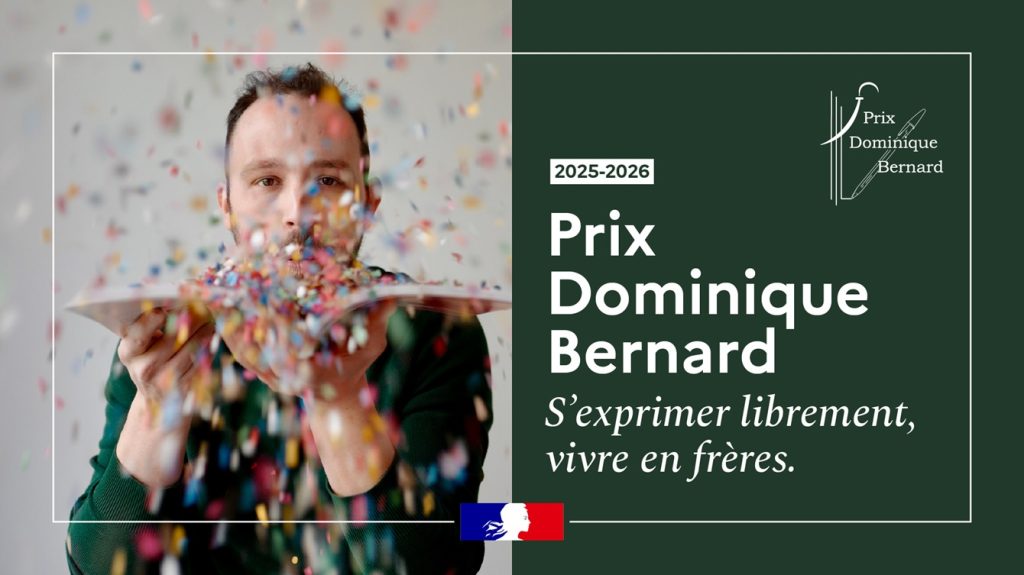
On 27 May 2026, in Arras, teachers, pupils, authors, and partners gathered around the Dominique Bernard Prize.
Created in the wake of the tragic death of Dominique Bernard at the hands of a radicalised student, this literary prize was launched by his wife, Isabelle Bernard, alongside the national education system. It offers a collective civic response grounded in dialogue, transmission, and education. Its principle is straightforward: to invite students from Year 9 to Year 11, accompanied by their teachers and authors, to write short stories or journals, turning the classroom into a space where thought, sensitivity, and debate take shape.
For the BNP Paribas Foundation, this support serves a deeply held conviction: that citizenship is built at school, through exchanges, respect for otherness, and the formation of critical thought.
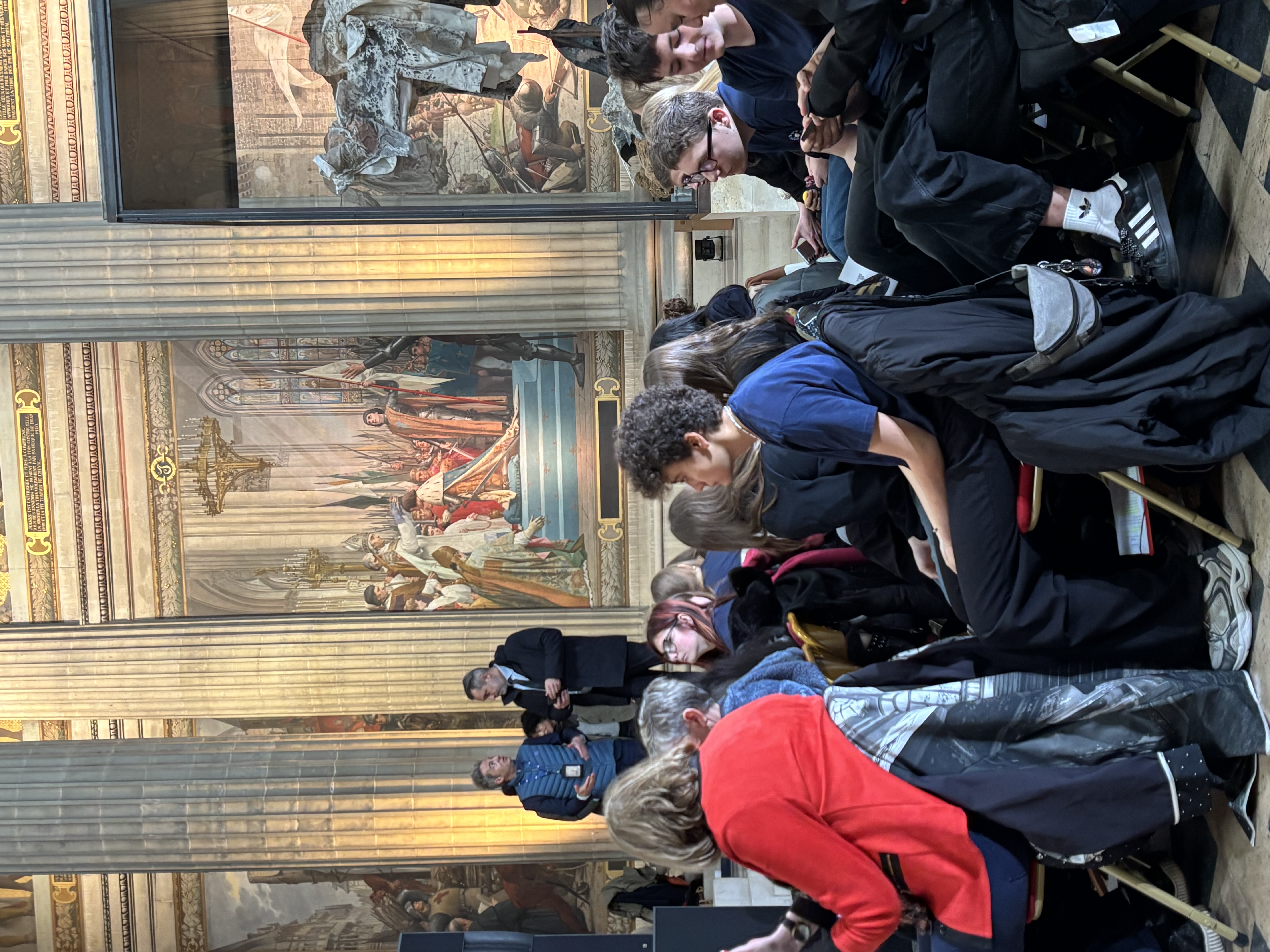
Isabelle Giordano, head of BNP Paribas Foundation, put it plainly: “Our vocation is to support and help things grow. We like to reach out to all those who push boundaries and transform people’s daily lives. Citizenship is everyone’s responsibility.” She added: “The reason behind our support is faith in humanity.”
Passing on Memory through La Voix des Justes

The transmission of memory is one of the founding pillars of the Civic Engagement programme.
In this context, the BNP Paribas Foundation supports, alongside the Foundation for the Memory of the Shoah, the City of Paris, and DILCRAH, the second season of the podcast La Voix des Justes, produced by the French Committee for Yad Vashem and France Culture.
This new season features ten episodes built from the first European corpus of audio archives dedicated to the Righteous Among the Nations. Each historical testimony is paired with the voice of a young listener, some of whom come from associations supported by the BNP Paribas Foundation. These podcasts create an intergenerational dialogue around transmission and responsibility.
As Jeanne, a 19-year-old student, puts it: “It is important to pass this history on, to tell future generations that you can do something even when you are young, even when you are afraid. That is the value of example.”
A reminder that memory is not merely a heritage to be preserved, but also a commitment to be passed on.
Understanding the World to Better Act
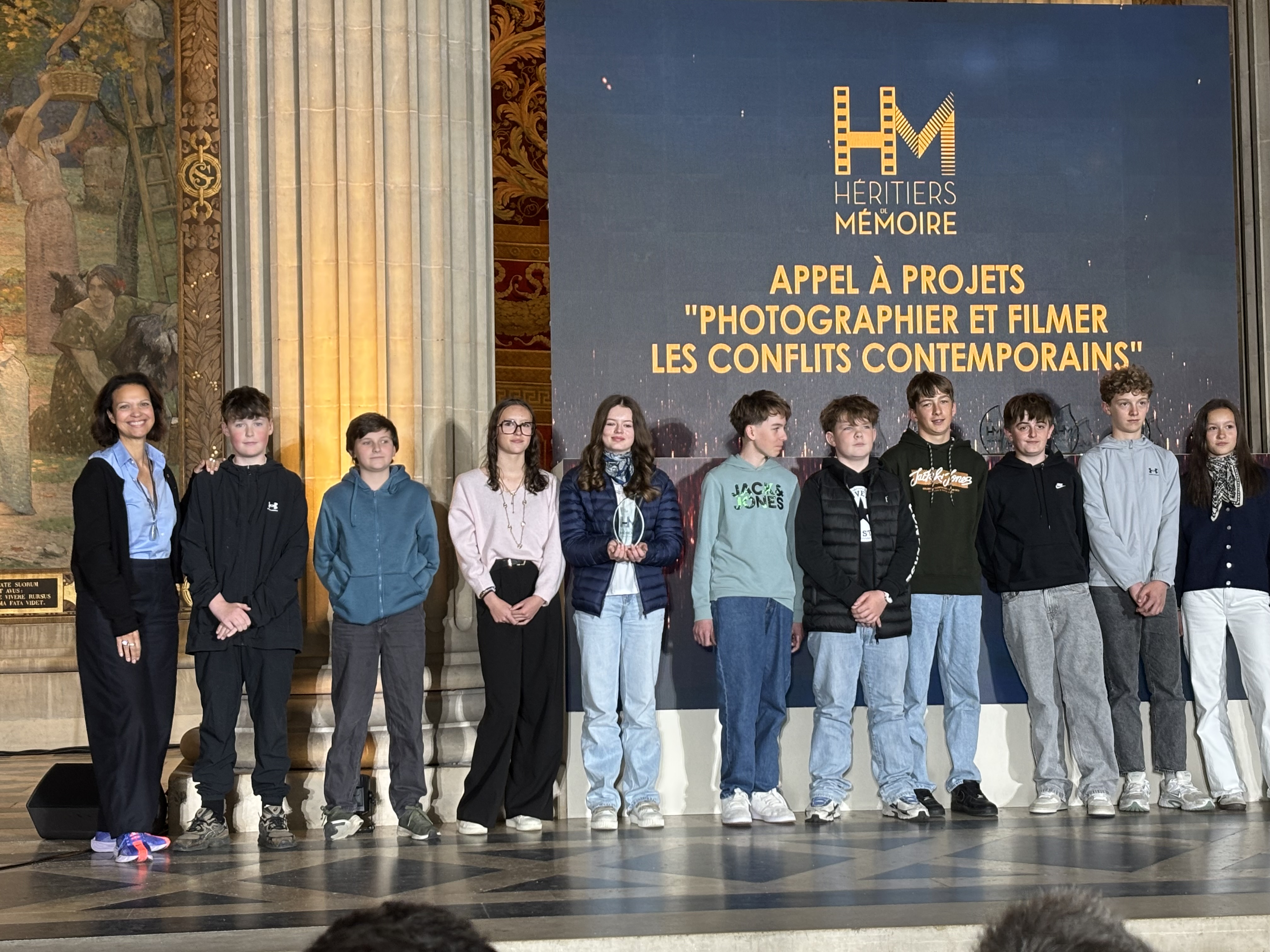
At the Panthéon, eight “Heirs of Memory” prizes from the Ministry of the Armed Forces and Veterans’ Affairs recently recognised educational projects led by middle and high school students on the memory of conflicts, demanding projects that invite young people to investigate, document, question sources, and exercise critical thinking.
On this occasion, Isabelle Giordano presented the prize for “Photographing and Filming Contemporary Conflicts: Information or Misinformation?” to two classes from Collège Lamartine in Cambrai.
Through this support, the Foundation affirms a strong conviction: shaping informed citizens also requires learning to look critically, an essential skill at a time when misinformation mechanisms are playing an ever-growing role in public debate.
A Shared Ambition
Whether through writing, memory, or media literacy, these initiatives share a common goal: to give young people the tools to understand the world around them, to develop their critical thinking, and to take part in democratic life.
Because citizenship cannot be decreed. It is learned, built, and passed on.